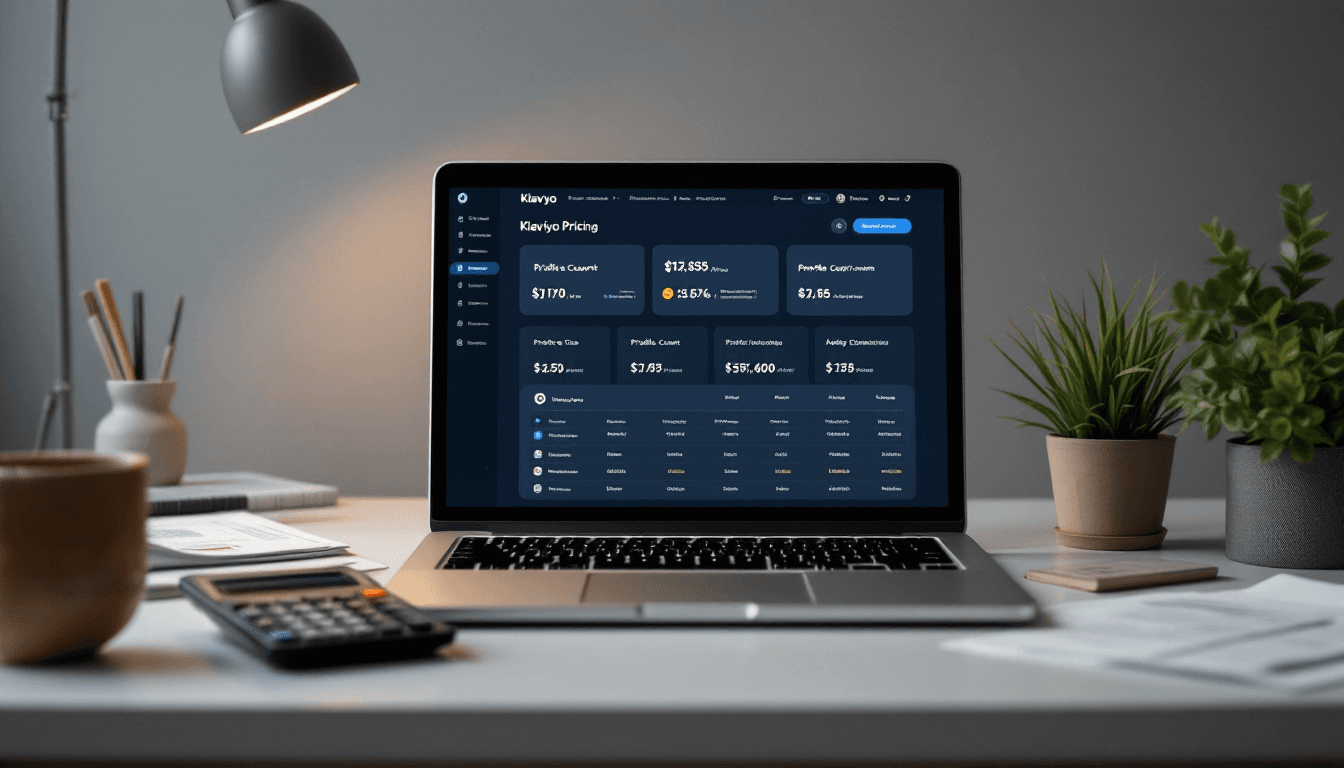
K:BOS 2026: What Klaviyo Going Headless Means for BFCM
Klaviyo went headless at K:BOS 2026 and previewed SQL, Personalization, and agent upgrades. What Shopify brands should use before BFCM, and what to park.

Mark Cijo
Founder, GOSH Digital

Quick answer: At K:BOS 2026 (September 9 and 10, Boston), Klaviyo went headless. More than 260 Klaviyo tools can now be called from Claude, ChatGPT, or any AI system your team already uses. Klaviyo also previewed SQL inside the Klaviyo Data Platform, renamed Marketing Analytics to Personalization, and upgraded Composer and Customer Agent. For a Shopify brand nine weeks from Black Friday, three pieces are worth using now: read-only reporting, plain-language data questions, and scheduled Composer audits. Park the rest until January.
Klaviyo's Boston conference wrapped two weeks ago. Every brand on the platform is now asking the same thing: do we need to do anything about this before BFCM?
Mostly, no. And that's the useful answer.
The keynote was about where Klaviyo is going. Your Q4 is about what's in your account right now. Black Friday is November 27, nine weeks from today, and two of the headline launches are still in Preview. You don't rebuild your sending logic on Preview software in the quarter that carries your year.
But under the keynote sat session numbers that should change what you do this month. A welcome offer swap worth an estimated $56,000 a month. An abandonment sequence compressed from five days to 24 hours that lifted cart conversion 168%. Those you can act on by Friday.
Here's how we're sorting it for our clients.
What Klaviyo announced at K:BOS 2026
| Announcement | Status in September 2026 | What it does | Our call before BFCM |
|---|---|---|---|
| Klaviyo Headless | Available | 260+ Klaviyo tools callable from Claude, ChatGPT, or a custom agent | Use it, read-only |
| SQL in Klaviyo Data Platform | Preview, inside Composer | Plain-language question in, answer plus the query out | Use it to size segments |
| Personalization (was Marketing Analytics) | Preview | Separate models decide who, what, when, and where per send | Park until January |
| Composer scheduled tasks and custom skills | New in Composer | Recurring audits, saved brand standards | Turn on now |
| Customer Agent localization | Available | 100+ languages, locale detection through Shopify Markets | Only if you've already tested the agent |
| Customer Agent voice | Coming soon | Takes phone calls with the customer's full history | Ignore for now |
| Klaviyo mobile app | Coming soon | Composer on your phone | Ignore for now |
Klaviyo also launched onsite personalization through Customer Hub, Clicks to Bricks features for brands with stores, and a Compliance Hub. Worth a look in a slow week. None of them move a November number.
Klaviyo Headless, in plain terms
Klaviyo Headless means you no longer have to open Klaviyo to work in Klaviyo. The platform's data and actions are exposed to outside AI tools, so the assistant your team already uses can pull a report, draft a campaign, or build a segment on your behalf.
Andrew Bialecki, Klaviyo's co-founder and CEO, put it this way in the announcement: an agent "can read, write, and go live the same way you would inside Klaviyo, without anyone opening Klaviyo at all."
Read that sentence twice. The first verb is a gift. The other two are a risk in Q4.
Read access is the win. Klaviyo's own examples are the right ones: a weekly performance review posted straight to Slack, a live dashboard built on real account data, a quick answer to "which product is trending this week." That's hours of export-and-pivot work gone, and nothing can break because nothing gets changed. If your reporting still lives in a spreadsheet someone updates on Mondays, set this up now.
Write and go-live access is a different conversation. An assistant with send permission and a vague prompt is one misread instruction away from mailing your full list on the Tuesday before Black Friday. Keep a human approval step on anything that sends, publishes, or edits a live flow. Give the tooling the quiet months to earn that trust.
We said the same thing when Klaviyo rebuilt itself around agents in August: the agent executes, the account decides. Headless just moves where the executing happens.
SQL in Klaviyo Data Platform: the sleeper of the keynote
SQL in Klaviyo Data Platform lets a marketer ask a data question in plain language and get back both the answer and the query that produced it. No analyst, no export, no waiting.
That second half matters more than it sounds. When a tool shows its work, you can check its logic. And the same question returns the same answer every time, which hasn't been true of most AI reporting so far.
It's in Preview inside Composer today. It can query profiles, events, segments, lists, campaigns, and catalogs. Flows, forms, templates, and custom objects are listed as coming soon.
Three questions worth asking this week:
- How many people bought during Cyber Week 2025 and haven't ordered since?
- Which products do first-time BFCM buyers come back for within 90 days?
- How many subscribers clicked in the last 60 days and have never placed an order?
Each answer is a segment you'll want in November, and each count tells you how much volume to plan for. Our segmentation guide covers how to build them, and step 2 of the Klaviyo BFCM playbook shows where they fit in the send plan.
One caution. It's Preview software. Read the query before you trust the number, especially on anything involving revenue.
Personalization: promising, and not a Q4 project
Klaviyo is folding Marketing Analytics into a core layer called Personalization. Instead of one general model, it runs separate models for four decisions:
- Who to reach. Audience Optimization against live RFM data.
- What to show. 1:1 Content, Product Recommendations, and Discount Decisioning.
- When to reach them. Personalized Send Time.
- Where to reach them. Channel Affinity.
The design is sensible. Every property the models calculate gets written back to the profile, so you can see what Klaviyo thinks it knows about a customer. You choose what to optimize for and set the guardrails. And testing against a real holdout group is built in.
Here's my problem with it in Q4. Discount Decisioning means software in Preview picks who gets which offer, during the week your margin is thinnest and your volume is highest. That's not a test. That's a bet.
The holdout feature is exactly how you should evaluate this, so use it properly. Run it in January or February, on normal sending weeks, where a bad call costs you a rounding error instead of a chunk of Cyber Week. If it wins there, it runs your next BFCM. If you want a head start on what the models feed on, our piece on Klaviyo predictive analytics explains the profile properties underneath.
The session numbers that matter more than the keynote
Keynotes sell the roadmap. Sessions show what worked. Four numbers from Klaviyo's own recap are worth more to your November than any launch above.
95% of your traffic is anonymous
One session put the share of site visitors who arrive unidentified at over 95%. Your flows only fire for people Klaviyo can recognize, so even a perfect abandoned cart flow reaches a sliver of the people who abandon.
Lake Pajamas shared what closing that gap did: email revenue per send up 38% year over year, and a 24-hour abandonment cadence that lifted cart conversion 168% over their old five-day version.
Two actions fall out of that. First, capture more identities before the November traffic arrives, which means your popup forms and any quiz funnel deserve attention this month. Second, look at the timing on your abandoned cart flow. If your last email goes out on day five, you're talking to someone who already bought elsewhere.
A 10% welcome discount was costing one retailer $56,000 a month
Nutrition Warehouse, an Australian supplement retailer, swapped the 10% code in its welcome email for a free shaker and towel. Estimated margin recouped: $56,000 a month. Its loyalty members are also 3.3x more likely to place a second order than non-members.
Most welcome flows give away 10% to 15% out of habit. Nobody tested it. It was just there when the account was set up.
Test it now, before BFCM traffic floods your signup form with first-time visitors. A gift with purchase costs you product at cost. A percentage code costs you margin on the whole basket. Our guides to the welcome flow and to Shopify discount strategy cover the mechanics, and loyalty programs are the longer play.
Orders from AI search are up 13x
Shopify reported that orders originating from AI search are up 13x year over year, that AI-referred average order value runs 30% higher, and that AI-driven traffic to Shopify stores is up 8x.
Small base, steep curve. These shoppers often skip your homepage and your popup entirely, so the first time you can identify them is at checkout. That makes your post-purchase flow the place where the relationship starts. If you haven't looked at how AI assistants describe your products, start with our guide to AI search optimization.
A useful counterweight came from Kevin Indig, who analyzed more than a million AI responses and found shoppers happy to use AI for research and price comparison but wanting to make the final purchase themselves. Ridge Wallet said 70% of its sales still come from direct and search traffic. Plan for both realities.
73% want agents. 28% have the data.
S&P Global found that 73% of merchants call agentic AI a top priority, while only 28% have an actionable, real-time view of the customer to build it on. Forrester added that the average marketing team runs a single campaign across 25 tools and 23 data sources.
That gap is the whole story of this conference. Don't add a 26th tool in October.
What to do in the nine weeks before Black Friday
- Schedule a weekly Composer audit. Scheduled tasks are new, and this is the best pre-BFCM use: a recurring report on flow performance, overlapping audiences, and campaigns in decline. It catches the broken filter in week three instead of Cyber Week. You can sanity-check the output against our free Klaviyo flow grader.
- Compress your abandoned cart sequence. Move the full sequence inside 24 hours and measure placed order rate against your current timing for two weeks.
- Test a non-discount welcome offer. Split the flow, compare margin per new subscriber, and keep the winner through November.
- Size your BFCM segments with plain-language questions. Count last year's Cyber Week buyers, your lapsed customers, and your engaged non-buyers. Those counts set your send volume, and send volume sets your deliverability plan.
- Park everything in Preview. Personalization, voice, and agent send permissions wait for January.
That's it. Five items, none of which require a rebuild.
The pattern under all of it
Klaviyo closed its own recap with the line "The model was the easy part." I agree, and I'd go further.
Every tool announced in Boston runs on what's already in your account. SQL queries your events, so bad tracking gives you confident wrong answers. Personalization scores your profiles, so a list full of dead addresses skews every model. An assistant with read access will faithfully report numbers from flows that have been misfiring since spring.
That's why the brands getting value from these tools aren't the ones adopting fastest. They're the ones whose foundation was right before the tools arrived. Clean segments. Honest attribution. Flows that someone looked at this quarter.
That foundation is what our team checks first. We're a Klaviyo Gold Partner, we've driven $70M+ in revenue for eCommerce brands, and the work starts the same way every time: people reading your data before anything gets switched on. If you want that done before November, our free Klaviyo audit comes back in 48 hours with what's broken, what's missing, and what to fix first. Or see how we run email and SMS end to end.
Get the foundation right in September. Then point the new tools at it.

Written by Mark Cijo
Founder of GOSH Digital. Klaviyo Gold Partner. Helping eCommerce brands grow revenue through data-driven marketing.
Book a free strategy call →