How to Build a Klaviyo Welcome Flow That Converts (Not Just
Most Klaviyo welcome flows are glorified 'thanks for signing up' emails. Here's the exact structure that drives 3-5x more revenue from new subscribers.

Mark Cijo
Founder, GOSH Digital
Here's a number that should keep you up at night: the average Klaviyo Welcome Flow generates $1.50-$2.00 per recipient. The best ones we've built? $4.50-$7.00 per recipient. Same platform. Same subscribers. Completely different revenue.
The gap isn't about having a welcome flow. Every Shopify store with Klaviyo has one. The gap is in how that flow is built — the structure, the timing, the offers, the splits. Most brands set up Klaviyo's default Welcome Series template and never touch it again. That's leaving real money on the table.
We're Klaviyo Gold Partners at GOSH Digital. We've built and rebuilt welcome flows for 150+ eCommerce brands. And the pattern is always the same: the brands making real money from their welcome flow aren't doing anything magical. They're just doing the basics right.
Let me walk you through exactly what that looks like.
Why Your Welcome Flow Matters More Than Any Other Flow
Your welcome flow is the single highest-engagement window you'll ever get with a subscriber. Open rates of 50-70% are normal for the first email. Compare that to your average campaign open rate of 15-25%. That attention is a gift — and most brands waste it on a generic "Welcome to the family!" message with a coupon code.
Here's what a welcome flow actually is, from a revenue perspective: it's your chance to convert a cold subscriber into a paying customer within 72 hours. That's it. Everything in the flow should serve that goal.
And the data backs this up. Across our client accounts, the Welcome Flow consistently generates 10-25% of total flow revenue. For some brands — especially those with strong popup offers — it's the single biggest revenue-generating flow, beating Abandoned Cart.
The Exact Welcome Flow Structure We Use
Here's the structure. Not theory. This is what we build for every new Klaviyo client.
Email 1: The Promise (Sent Immediately)
Trigger: Joins list via popup, footer form, or landing page
Timing: Immediately (0 delay)
Subject line formula: "[First name], here's your [X]% off" or "Your [brand name] discount is inside"
Content:
- Deliver the coupon code (if you offered one in the popup). Above the fold. No games.
- One line about what makes you different. Not your life story — one line.
- One clear CTA button: "Shop Now" or "Use Your Discount"
- Show 2-3 bestselling products below the CTA
Why this works: People signed up for the discount. Give it to them immediately. Every hour you delay is money lost. We've tested this repeatedly — immediate delivery converts 40-60% better than a 15-minute delay.
Pro tip: Use Klaviyo's dynamic coupon codes (not static). Go to Content > Coupons, sync with your Shopify discount, and insert a unique code per recipient. This prevents coupon code sharing and lets you track redemption accurately.
Email 2: The Story (24 Hours Later)
Timing: 24-hour delay after Email 1
Subject line formula: "Why we started [brand name]" or "The thing most [product category] brands won't tell you"
Content:
- Founder story or brand origin — keep it to 3-4 short paragraphs
- What problem you solve and why you care
- Social proof: "Trusted by X,000 customers" or a short testimonial
- Soft CTA: "See what people are saying" or "Browse our bestsellers"
Why this works: Email 1 was transactional. Email 2 builds the relationship. The people who didn't buy from Email 1 need a reason to care about your brand before they'll spend money. Story sells. In one pet brand account where we led the welcome flow with the product story instead of a coupon, the flow produced six figures at under $2 per recipient, the largest single flow in the account.
What NOT to do: Don't repeat the coupon code in the subject line. You'll train subscribers to wait for discounts. Mention it briefly in the body ("Your X% off is still active") but lead with the story.
Email 3: Social Proof (48 Hours After Email 2)
Timing: 48-hour delay after Email 2
Subject line formula: "See why [X,000] people switched to [brand]" or "[First name], real results from real customers"
Content:
- 3-5 customer reviews or testimonials with photos (if you have them)
- Before/after results (for beauty, supplements, fitness)
- UGC photos pulled from Instagram or your reviews platform
- CTA: "Shop [bestseller category]" with a direct link to the collection
Why this works: By day 3, the subscriber has your coupon and knows your story. Now they need proof that other people — people like them — have bought and been happy. This email consistently has the second-highest conversion rate in the flow.
Email 4: The Nudge (72 Hours After Email 3)
Timing: 72-hour delay after Email 3
Subject line formula: "Your [X]% off expires soon" or "Last chance, [first name]"
Content:
- Urgency: The coupon expires (set it to expire 7-10 days after signup)
- Recap: What they get (product benefits, not features)
- One strong CTA
- Consider adding a "most popular" product recommendation block
Why this works: This is your closer. The people who haven't converted by now need urgency. And the people who forgot (there are more of these than you think) get one last reminder.
Email 5: The Pivot (5 Days After Email 4)
Timing: 5-day delay after Email 4
Subject line formula: "Here's what we'd recommend for you" or "Not sure where to start?"
Content:
- Product quiz or recommendation guide
- Category spotlight (show a different product category than what was in previous emails)
- "If you liked [X], you'll love [Y]" format
- No discount. This email is about discovery, not price.
Why this works: Anyone who hasn't converted after 4 emails and a discount isn't going to be won by another coupon. They might need help finding the right product. This email pivots the conversation from "buy this" to "let us help you."
The Segment Split That Doubles Revenue
Here's where most Klaviyo agencies stop. They build a linear 4-5 email flow and call it done. But the real money is in conditional splits.
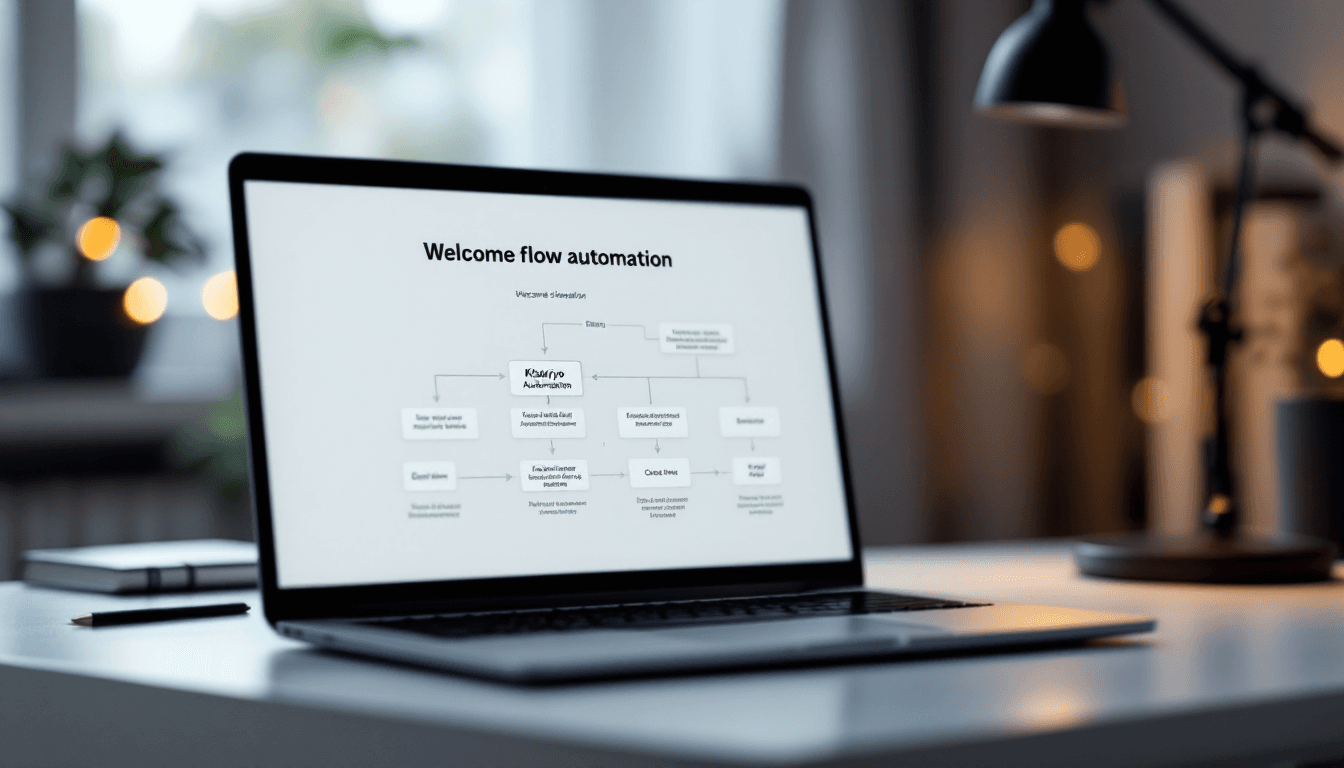
After Email 1, add a Conditional Split based on whether the subscriber has placed an order:
- Yes (placed order): Skip the rest of the welcome flow. Move them into your Post-Purchase flow instead. Don't keep selling to someone who already bought.
- No (didn't place order): Continue to Email 2.
After Email 3, add another split:
- Has opened at least 1 email but hasn't purchased: Send Email 4 (the urgency nudge). These people are engaged but need a push.
- Hasn't opened any email: Send a plain-text version of Email 4 with a different subject line. HTML-heavy emails might be hitting their Promotions tab or spam. A plain-text email often gets through.
This one split — just separating purchasers from non-purchasers after Email 1 — typically increases Welcome Flow revenue by 15-30% because you're not sending irrelevant "buy now" emails to people who already bought.
A/B Tests That Actually Move the Needle
Not all A/B tests are created equal. Here's what's worth testing in your Welcome Flow, ranked by impact:
High Impact (Test These First)
- Discount amount: 10% vs. 15% vs. free shipping. We've seen 15% beat 10% in conversion rate but lose on margin. The right answer depends on your AOV.
- Email 1 timing: Immediate vs. 15-minute delay. Immediate almost always wins, but test it.
- Subject line with first name vs. without: Personalized subject lines lift open rates 5-15% in welcome emails specifically.
Medium Impact
- Number of products shown: 2 vs. 4 vs. 6 product recommendations in Email 1
- Email 4 urgency framing: "Expires in 48 hours" vs. "Last chance" vs. specific date
- Plain text vs. branded template for Email 2: The story email sometimes performs better as plain text
Low Impact (Don't Waste Time Here)
- Button color (seriously, don't)
- Footer layout
- Sender name (unless you're testing "Mark from [Brand]" vs. just "[Brand]" — that one can matter)
In Klaviyo, set up A/B tests by clicking "Add Conditional Split" and choosing "A/B Split" instead of a condition-based split. Set it to 50/50 and let it run until you hit at least 1,000 recipients per variation before declaring a winner. Anything less and you're reading noise, not signal.
Real Benchmarks: What "Good" Looks Like
Here are the benchmarks we use across our client accounts. If you're below these, your welcome flow needs work:
| Metric | Below Average | Average | Good | Excellent |
|---|---|---|---|---|
| Open Rate (Email 1) | Under 40% | 40-50% | 50-65% | 65%+ |
| Click Rate (Email 1) | Under 3% | 3-5% | 5-8% | 8%+ |
| Revenue Per Recipient (Full Flow) | Under $1.00 | $1.50-$2.50 | $2.50-$4.50 | $4.50+ |
| Conversion Rate (Full Flow) | Under 2% | 2-4% | 4-7% | 7%+ |
| Unsubscribe Rate (Email 1) | Over 1% | 0.5-1% | 0.2-0.5% | Under 0.2% |
A few notes on these numbers:
- Revenue per recipient varies wildly by AOV. A jewelry brand with $200 AOV will naturally have higher RPR than a snack brand at $30 AOV. Compare against yourself, not other industries.
- Open rates above 65% are typically seen with very tight popup targeting (exit intent only, 15%+ offer, no multi-step popup friction).
- If your unsubscribe rate on Email 1 is above 1%, your popup is attracting the wrong people or your email doesn't match what the popup promised.
Common Mistakes We Fix Every Week
1. Delaying Email 1 by 24 Hours
We see this constantly. The brand sets a 24-hour delay on the first welcome email because they "don't want to be pushy." By the time the email arrives, the subscriber has already forgotten signing up — or worse, they bought from a competitor who emailed immediately.
2. Not Delivering the Coupon in Email 1
If your popup promised 15% off and your first email is a brand story without the discount code, you've broken trust in the first interaction. Always deliver the promise first.
3. Making the Flow Too Long
We've tested 5-email vs. 7-email vs. 10-email welcome flows. After email 5, the incremental revenue is minimal and unsubscribes start climbing. Five emails over about 10-12 days is the sweet spot for most eCommerce brands.
4. No Conditional Splits
A linear welcome flow treats a Day 1 purchaser the same as someone who hasn't opened a single email. That makes no sense. Add the splits.
5. Using the Same Subject Line Format for Every Email
If all 5 emails start with the brand name or all 5 mention the discount, open rates tank by Email 3. Mix it up: question, curiosity, social proof, urgency, recommendation.
How to Set This Up in Klaviyo (Step by Step)
- Go to Flows > Create Flow > Create from Scratch
- Trigger: "When someone is added to a list" — select your main email list (usually "Newsletter" or "Email Subscribers"). List-added is only one option — our rundown of every Klaviyo flow trigger covers when metric-based and date-based triggers fit better.
- Add a filter: "Has not been in this flow before" (prevents re-triggering if someone resubscribes)
- Build Email 1 — drag an Email action onto the canvas. Set delay to 0.
- Add a Conditional Split after Email 1 — condition: "What someone has done > Placed Order > at least once > since starting this flow"
- YES branch: Add a short delay (1 day) then end the flow (or redirect to Post-Purchase)
- NO branch: Continue building Emails 2-5 with the delays outlined above
- Add another Conditional Split before Email 4 — split by email engagement (opened at least 1 email in this flow)
- Set up A/B tests on Email 1 subject line and discount amount
- Turn on Smart Sending — set to 16 hours to prevent overlap with campaigns
One more thing: make sure your Welcome Flow is set to "Manual" sending status until you've reviewed every email. Then flip each email to "Live" one at a time, starting from Email 1. Don't turn everything on at once.
What This Looks Like in Practice
One of our fashion eCommerce clients came to us with a 3-email welcome flow generating $0.89 per recipient. Basic template. No splits. No A/B tests. The coupon was buried in paragraph three of the first email.
We rebuilt it using the exact structure above. Five emails, conditional splits, dynamic coupon codes, and proper product recommendations.
Within 60 days:
- Revenue per recipient jumped from $0.89 to $4.12
- Welcome Flow revenue went from 8% of total flow revenue to 22%
- Unsubscribe rate dropped from 0.8% to 0.3% (because we stopped sending irrelevant emails to people who already purchased)
The flow still runs today with minor tweaks. That's the thing about a well-built welcome flow — once it's right, it prints money while you sleep. It also becomes your biggest seasonal asset: every subscriber your popup captures in October hits this flow first, which is why the welcome fork is a core piece of our Klaviyo BFCM playbook.
Related Reads
- BFCM Email Strategy: The Klaviyo Playbook
- Win-Back Flows: Reactivate Lapsed Customers in Klaviyo
- Dynamic Content in Klaviyo: Personalization That Converts
Your Next Step
If your welcome flow is the default Klaviyo template (or worse, something a freelancer built 18 months ago), you're leaving thousands of dollars on the table every month. Not hundreds. Thousands.
We do free Klaviyo audits where we pull up your welcome flow, show you exactly what's broken, and give you a prioritized fix list. No pitch, no pressure — just the data.
Book your free Klaviyo audit here.
Mark Cijo is the founder of GOSH Digital, a Klaviyo Gold Partner agency that's driven $70M+ in revenue for 150+ eCommerce brands. He writes about email marketing, retention, and the things most agencies won't tell you.

Written by Mark Cijo
Founder of GOSH Digital. Klaviyo Gold Partner. Helping eCommerce brands grow revenue through data-driven marketing.
Book a free strategy call →