Shopify Winter '26 Edition: What Sidekick Pulse Actually
Shopify's Winter '26 Edition shipped 150+ updates and pitched it as the merchant Renaissance moment. Most of the press coverage missed what actually matters.

Mark Cijo
Founder, GOSH Digital
Shopify's Winter '26 Edition landed earlier this year with the tagline "AI brings every entrepreneur their Renaissance moment." That's marketing language. Behind it is a real shift — and most of the recaps I've read are missing what actually changed.
Here's an honest agency take on what merchants should pay attention to, what to ignore, and what to actually do this quarter.
The headline: Sidekick stopped being a chatbot
Sidekick used to be a slightly-better-than-average admin assistant. You'd ask it "show me my best-selling products" and it would. Useful. Not life-changing.
Winter '26 changes the model entirely. Sidekick now proactively predicts what merchants need and surfaces actions before being asked.
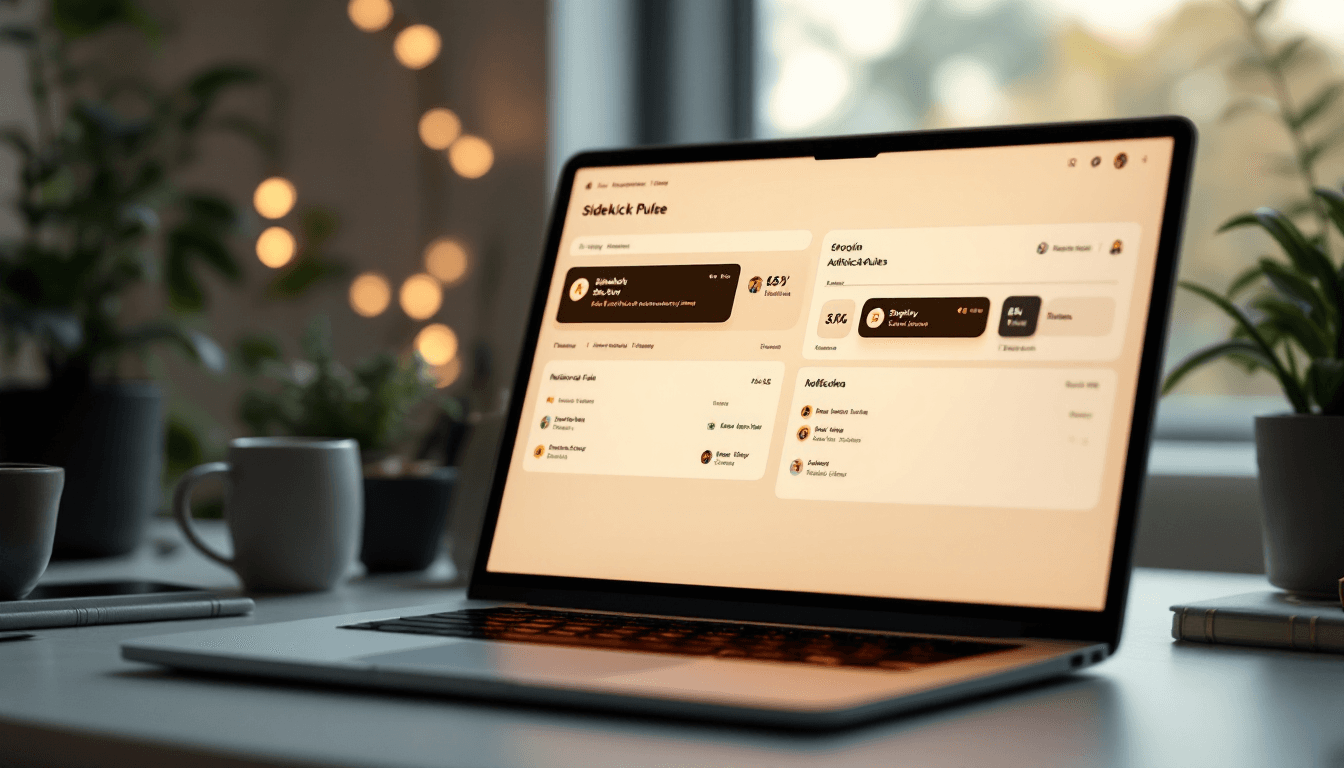
The flagship is Sidekick Pulse — a business advisor feature that actively researches your store, identifies opportunities, and surfaces recommendations as personalised briefings. Think: "Your average order value dropped 12% last week — here's why I think it dropped and three things to test." Not on request. As a proactive notification.
For solo founders and small teams, this is the more important Sidekick update than the chat improvements. The chat is fine. The proactive layer is what changes how you work.
Reality check: Sidekick Pulse is only as good as the data signal you give it. Stores with thin order history, weak product tagging, or sparse customer data won't get the same value as stores that have been clean about their data hygiene for years. If you've been sloppy with product taxonomy, fix that first.
Sidekick can now build apps and edit themes
The other change everyone's talking about — and it's earned the attention.
Theme customization through natural language. "Make this button rounded." "Move the trust badges above the add-to-cart." "Replace this hero image with something that converts better for mobile." Sidekick does it. Inside the admin. No theme editor knowledge required.
For solo founders, this kills a real friction point. For agencies, this changes the conversation. Clients who used to pay $2,000 for theme tweaks won't anymore. Agencies that priced based on "we can touch Liquid and you can't" will need to reprice around strategy, not implementation — which is exactly how we've structured our Shopify web design and development services for years.
Custom app building through prompts is also live for the admin. Most merchants won't use this directly — but it does mean the Built for Shopify app ecosystem just got more competitive. Solo developers can ship custom admin tools without learning the full Shopify app framework. Expect a wave of small, sharp single-purpose apps over the next 12 months. This is also where our AI automation work for clients sits — we're building Sidekick-style admin tooling tied to ops, not just merchandising.
What got missed in the coverage: Checkout MCP and dev tools
Shopify shipped new Checkout MCP tools in Winter '26 for partners building native applications. They work alongside the Checkout Kit and branding overrides.
Translation for non-developers: external apps and AI agents can now interact with Shopify checkout more deeply. This is the foundation for agentic commerce — AI shopping assistants that buy on a customer's behalf inside their existing conversation tool (ChatGPT, Apple Intelligence, whatever).
You won't see consumer-facing impact from this yet. But if you're a brand thinking about where commerce goes in 2027–2028, this is the layer to track. The brands that win agentic commerce will be the ones with clean product data, working APIs, and checkout flows that don't break when an agent tries to complete a purchase on someone's behalf.
For 2026, your job is to make sure your store is technically ready. Not to chase the trend. (We covered the broader shift in our SEO-in-the-age-of-AI post — clean data is the prerequisite for both AI search visibility and agentic commerce.)
What we're telling clients to do
Three things, in order of priority.
1. Turn on Sidekick Pulse and read it daily for two weeks
Sidekick Pulse needs roughly a week to baseline your store and start producing useful recommendations. The brands using it well treat the daily briefing like a stand-up — review it first thing, decide which recommendations to action, and ignore the rest. The brands using it badly check it once, dismiss everything, and turn it off.
If you're running a Shopify store at $500K+ in annual revenue, you're losing money by not using this.
2. Audit your theme before you let Sidekick edit it
Sidekick can edit themes via natural language. Great for solo founders. Dangerous if your theme is built on three years of stacked customisations from four different developers.
Before you start prompting Sidekick to redesign things, get a developer or agency to do a theme health check. Identify what's custom, what's at risk of breaking, what should be migrated to Online Store 2.0 sections. Sidekick is a power tool. Power tools work better when the workshop is clean.
3. Clean your product data before Sidekick recommends from it
Sidekick Pulse uses your product data to surface recommendations. If your product titles are inconsistent, your tags are messy, your categories are wrong, the recommendations will be wrong too.
Investment in clean product taxonomy was always good ROI. It's now a force multiplier for every AI feature Shopify has shipped and will ship next. The same logic applies to email — Klaviyo's recent Composer launch generates campaign output from your product feed, so messy data = messy campaigns.
What to ignore (politely)
A few things that got Edition airtime but aren't worth your urgent attention:
- Shop AI shopping assistant for consumers. Interesting, not relevant to most merchants right now. Adoption is concentrated in specific verticals (fashion, gifts).
- Most of the developer-tier updates — Hydrogen, custom storefronts, headless commerce. If you're not already running a custom storefront, this isn't the moment to start. Stick with the standard theme architecture and invest in conversion optimisation instead.
- Pricing speculation. Shopify pricing didn't materially change in Winter '26. Plans are stable. Don't restructure around rumours.
The strategic call for 2026
What Winter '26 actually represents is Shopify positioning itself as the operating system for AI-native commerce. Not "Shopify with some AI features." The whole platform is being rebuilt assuming AI agents are sitting between merchants and shoppers.
If you accept that framing, three implications:
- Clean data is a competitive moat. Product data, customer data, inventory data — the cleaner it is, the better every AI feature works for you. Sloppy data = sloppy AI output = lost revenue.
- Theme architecture matters more, not less. Sidekick can edit themes through prompts now. But "edit" implies a structure that supports editing. Stores with chaotic, copy-pasted themes will break. Stores with proper section-based architectures will scale.
- The Built for Shopify app ecosystem will consolidate. A wave of small AI-built apps is coming, but the apps that survive will be the ones with deep integrations and clean engineering. Be selective about what you install.
The honest summary
Shopify Winter '26 is genuinely the biggest platform release we've seen since the Online Store 2.0 launch. The merchants who get value from it are the ones with their data and theme house in order. The merchants who treat it as a magic upgrade and don't change anything else will be disappointed.
The Renaissance frame is marketing. The data hygiene call to action is real.
Our Shopify web design + development services cover the full theme-to-checkout build, and the Phoenix paid media case study shows what happens when you pair a clean store with serious media buying — $23M+ in ad spend at 3x ROAS over 31 months. Or browse the rest of our case studies for the same playbook applied to other verticals.
Sources:
- Shopify Editions | Winter '26
- Renaissance for the modern era: Winter '26 Edition reimagines what's possible
- AI-native, developer-ready: Unpacking Winter '26 Edition
- This Edition, AI brings every entrepreneur their Renaissance moment
- Shopify Sidekick — AI commerce assistant
- Introducing Sidekick app extensions — Shopify Dev Community

Written by Mark Cijo
Founder of GOSH Digital. Klaviyo Gold Partner. Helping eCommerce brands grow revenue through data-driven marketing.
Book a free strategy call →