Seasonal Ad Strategy: How to Adjust Spend Quarter by Quarter
Your ad budget should shift with the calendar. Here's the quarter-by-quarter paid media strategy that stops you from overspending in quiet months and…

Mark Cijo
Founder, GOSH Digital
Most eCommerce brands spend the same amount on ads every month. January gets the same budget as November. A random Tuesday in March gets the same daily spend as Black Friday.
This is wrong. And it's wasting money.
Advertising costs fluctuate dramatically throughout the year. CPMs on Meta are 40-60% higher in Q4 than in Q1, which is exactly why we pair seasonal ad budgets with the owned-channel push in our Klaviyo BFCM playbook. Google Shopping CPCs spike around holiday shopping periods. TikTok ad costs have their own seasonal patterns.
Meanwhile, consumer demand isn't flat either. Some months your customers are ready to buy. Other months they're saving, browsing, or recovering from holiday overspending.
Your ad strategy should account for both: when your audience is buying and when ad inventory is cheap (or expensive). Here's the quarter-by-quarter playbook.
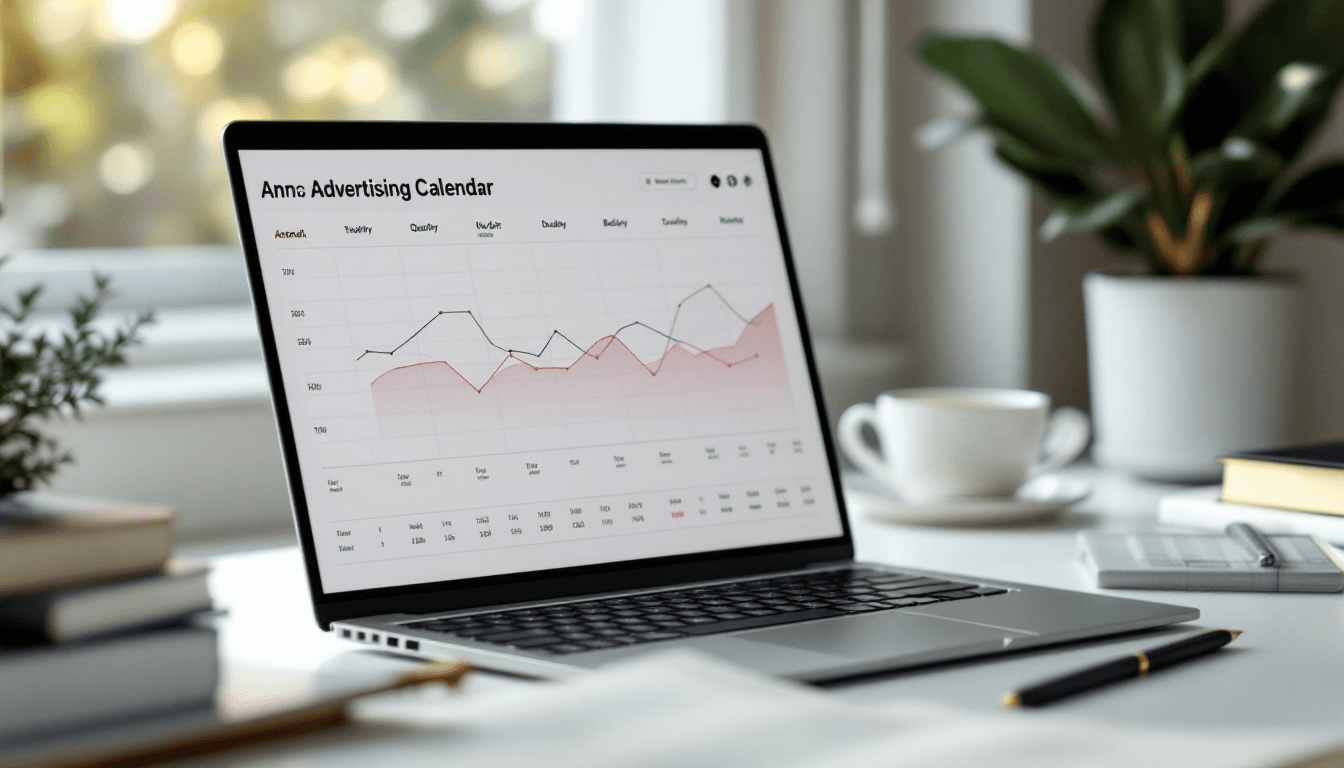
The Annual Advertising Calendar
Before we get into quarterly tactics, here's the high-level framework:
| Quarter | Consumer Behavior | Ad Costs | Strategy |
|---|---|---|---|
| Q1 (Jan-Mar) | Post-holiday recovery, New Year motivation | Low CPMs, cheap inventory | Prospecting, list building, testing |
| Q2 (Apr-Jun) | Steady spending, spring shopping | Moderate CPMs | Scaling winners, seasonal campaigns |
| Q3 (Jul-Sep) | Back-to-school, early holiday prep | Rising CPMs | Retargeting warm audiences, building holiday lists |
| Q4 (Oct-Dec) | Peak shopping, BFCM, holiday | Highest CPMs of the year | Maximum spend on proven campaigns, retargeting |
The general principle: spend more when demand is high and less when it's low — but invest in prospecting when CPMs are cheap.
Q1: January Through March (The Testing Quarter)
Q1 is the most underrated quarter for paid media. Most brands pull back after the holiday rush, and the advertisers who stay in the auction get rewarded with cheaper inventory.
Why Q1 is underrated:
- CPMs on Meta drop 30-50% from Q4 peaks. The same $1,000 in ad spend reaches 40-50% more people.
- Google Shopping CPCs fall as holiday competition clears.
- New Year resolutions drive demand in health, fitness, wellness, self-improvement, and organization categories.
- Gift card redemption creates a wave of buyers in January who are spending "free money."
Q1 Strategy:
Aggressive prospecting. This is when you build the audiences that will convert later in the year. Run broad awareness and engagement campaigns. The cost per new email subscriber or website visitor is at its annual low.
Creative testing. Test new ad formats, new angles, new copy, and new audiences. With CPMs low, failed tests cost less. By Q2, you'll know what works and can scale the winners.
Content promotion. Boost blog posts, guides, and educational content to drive organic traffic and email signups. This content pays dividends all year as SEO rankings build.
Product launches. If you're launching a new product, Q1 gives you cheaper attention for the launch campaign.
Budget allocation: 15-20% of annual ad budget. Lower total spend, but invested heavily in top-of-funnel and testing.
Q2: April Through June (The Scaling Quarter)
Q2 is when you take the winning creatives and audiences from Q1 and scale them.
What's happening:
- Spring shopping picks up (fashion, outdoor, home and garden)
- Mother's Day and Father's Day drive gift purchases
- Graduation season creates demand in certain categories
- CPMs are moderate — more expensive than Q1 but still reasonable
Q2 Strategy:
Scale proven campaigns. You've spent Q1 testing. Now take the winning ad creatives, copy angles, and audience segments and increase budget. The creative-audience combinations that had the best ROAS in Q1 are your scaling candidates.
Seasonal campaigns. Mother's Day, Father's Day, and Memorial Day are the big Q2 events. Build dedicated campaigns 2-3 weeks before each.
Retargeting warm audiences. The people who visited your site or engaged with your Q1 content are warm prospects. Run middle-funnel retargeting ads showing products, testimonials, and offers.
Email list activation. Use paid media to amplify your email campaigns. Run ads targeting your email list segments with the same offers they're seeing in their inbox. The cross-channel exposure increases conversion.
Budget allocation: 20-25% of annual ad budget. Moderate spend with good efficiency.
Q3: July Through September (The Preparation Quarter)
Q3 is the bridge between steady-state and the holiday frenzy. How you use Q3 determines how well Q4 goes.
What's happening:
- Back-to-school shopping (July-August) drives demand in certain categories
- Labor Day marks the unofficial start of fall shopping
- CPMs start rising in September as holiday advertisers ramp up
- Amazon Prime Day (usually July) creates a halo effect for all eCommerce
Q3 Strategy:
Build your retargeting audiences. Everyone who visits your site, adds to cart, or engages with your content in Q3 becomes your retargeting pool for Q4. The bigger and warmer this audience, the better your holiday campaigns perform.
Run a summer sale or clearance. Move old inventory before Q4 new arrivals. This generates cash flow you can reinvest into holiday ad spend.
Prepare holiday creative. Start producing your BFCM ad creative in August-September. Lifestyle shoots, product videos, UGC content, and gift guide visuals. If you wait until October, you're already behind.
Test holiday offers. Run small-scale tests of your planned holiday discounts and bundle offers. What resonates? Which products get the most engagement? This intel shapes your Q4 campaign strategy.
Back-to-school campaigns. If your product has any relevance to the BTS season, run targeted campaigns July-August. BTS is the second-largest shopping period of the year (after BFCM).
Budget allocation: 20-25% of annual ad budget. Moderate spend with a heavy focus on audience building.
Q4: October Through December (The Performance Quarter)
Q4 is when it all comes together. This is the quarter that makes or breaks your year.
What's happening:
- BFCM (late November) is the biggest shopping weekend of the year
- Holiday shopping runs from early November through December 24
- CPMs peak — Meta CPMs can reach 2-3x their Q1 levels
- Competition for ad inventory is fierce
- Consumer intent is at its highest
Q4 Strategy:
October: Warm up.
- Launch early holiday campaigns: "Holiday Gift Guide," "Best Sellers of 2026"
- Increase retargeting spend to keep your brand top-of-mind
- Email-ads coordination: launch your holiday email series alongside your ad campaigns
- Start BFCM teaser campaigns in late October
- Check your plan against this year's numbers: our holiday 2026 forecast breakdown covers where Adobe expects spend, discounts, and channel share to move
November: Go hard.
- BFCM week: maximum budget on proven campaigns
- Run broad + retargeting simultaneously
- Daily budget adjustments based on ROAS (don't set it and forget it)
- 3-5 creative variants per campaign to combat ad fatigue
- Cyber Monday through early December: maintain elevated spend
December: Close strong.
- Shift messaging to "last chance" and shipping deadlines
- Gift card campaigns for last-minute shoppers (Dec 20-24)
- Reduce spend in the last week of December (low intent, people are spending time with family)
- Start planning Q1 before the year ends
Budget allocation: 35-40% of annual ad budget. Maximum spend on proven, high-ROAS campaigns.
Platform-Specific Seasonal Considerations
Meta (Facebook and Instagram)
Meta CPMs are most volatile seasonally. Q4 CPMs can be 2-3x Q1 levels because of the auction system — more advertisers bidding = higher prices.
Meta seasonal tips:
- In Q1, run broad targeting (advantage+ campaigns) to take advantage of cheap CPMs
- In Q4, rely heavily on retargeting warm audiences because cold audience costs are prohibitively expensive
- Creative fatigue happens faster in Q4 because people see more ads. Refresh creative every 7-10 days during holiday season.
Google (Search and Shopping)
Google CPCs fluctuate by category more than by season — but Q4 still sees elevated competition across most eCommerce verticals.
Google seasonal tips:
- Start holiday Shopping campaigns in October with standard bids, then increase during BFCM
- Use Performance Max campaigns with seasonal bid adjustments
- Add holiday-specific negative keywords to avoid irrelevant traffic
- Increase budget caps 2-3 weeks before BFCM to capture early shoppers
TikTok
TikTok's ad costs have less seasonal variance than Meta (for now), making it an attractive channel during Q4 when Meta prices spike.
TikTok seasonal tips:
- Q1 is excellent for TikTok prospecting — young audience is active post-holiday
- Q4 TikTok CPMs rise but not as dramatically as Meta — use it to supplement
- Holiday content on TikTok should feel native (not polished holiday ads)
Budget Allocation by Quarter (Example)
For a brand with a $120,000 annual ad budget:
| Quarter | Percentage | Budget | Focus |
|---|---|---|---|
| Q1 | 18% | $21,600 | Testing, prospecting, cheap CPMs |
| Q2 | 22% | $26,400 | Scaling winners, seasonal events |
| Q3 | 22% | $26,400 | Audience building, holiday prep |
| Q4 | 38% | $45,600 | Maximum performance, BFCM, holiday |
This isn't a rigid formula. If you're a fitness brand, Q1 might deserve 25%+ because of New Year demand. If you're a gifting brand, Q4 might deserve 45%. Adjust based on your category's demand curve.
The Annual Review
After each year, review:
- Which quarter had the best ROAS?
- Where did you underspend or overspend?
- Which creative themes performed best by season?
- What audience segments converted at different times of year?
Use this data to refine next year's seasonal allocation. The brands that win at paid media don't just optimize individual campaigns — they optimize the entire annual strategy.
We'll Build Your Seasonal Plan
We manage paid media for eCommerce brands across Meta, Google, and TikTok. We'll analyze your historical data, map your demand curve, and build a quarterly ad budget with specific campaign strategies for each season.
Related Reads
- Google Shopping Optimization for eCommerce
- Lookalike Audiences on Meta: Still Worth It?
- Paid Media Budget Calculator for eCommerce
Mark Cijo is the founder of GOSH Digital, a full-service eCommerce marketing agency and Klaviyo Gold Partner that has driven $70M+ in revenue for 150+ brands. He starts planning Q4 in July — and thinks you should too.

Written by Mark Cijo
Founder of GOSH Digital. Klaviyo Gold Partner. Helping eCommerce brands grow revenue through data-driven marketing.
Book a free strategy call →